Relapse Prevention for Depression and Anxiety: Recognising Early Warning Signs and Building a Personal Plan
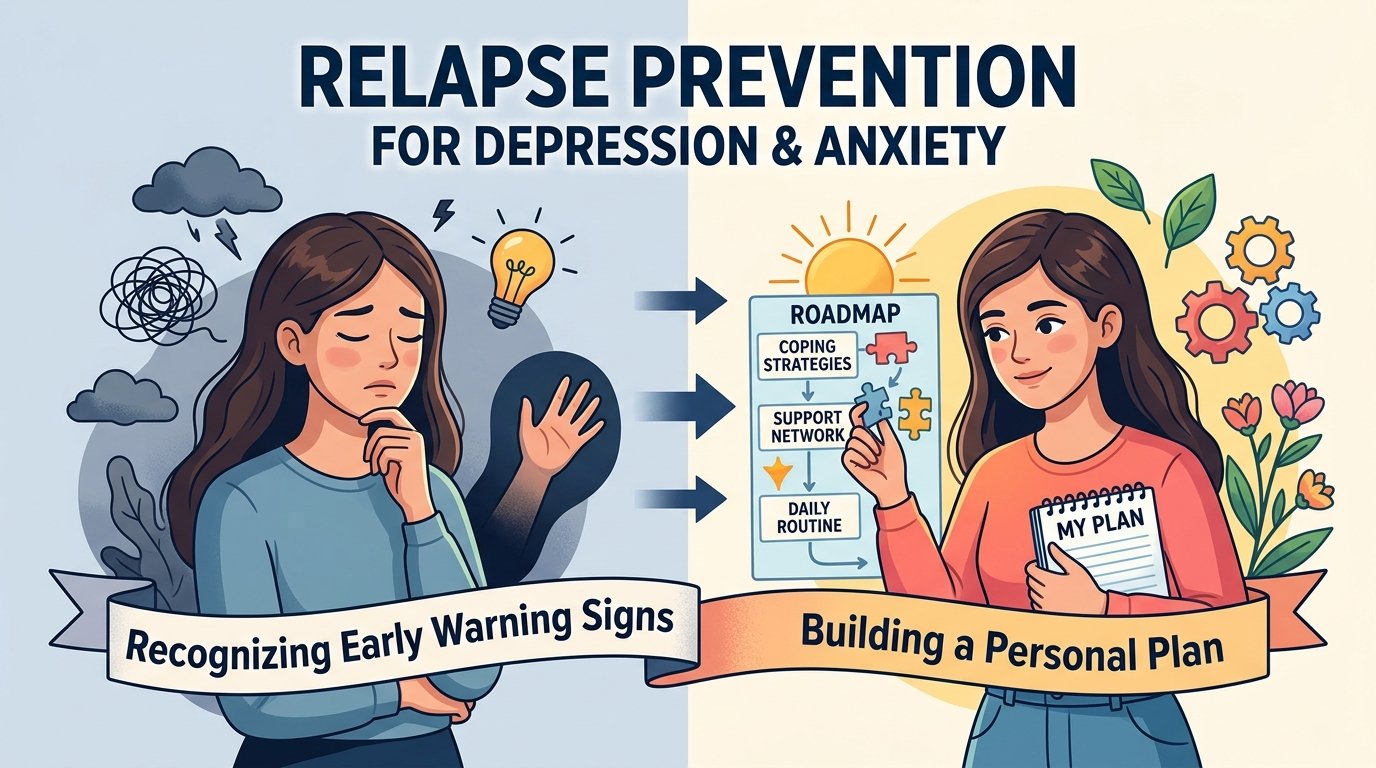
Why Relapse Plans Are the Quietly Important Part of Therapy Most patients who recover from depression or anxiety experience at least one period of recurrence in their lifetime. The numbers depend on the condition and the population, but for major depressive disorder, the chance of a second episode within five years of the first is … Read more


Adult Children of Alcoholics: Recognising the Patterns and Finding ACoA Therapy Resources

Free stock photo via Pexels

Diane, a 41-year-old marketing director in Minneapolis, sat in her therapist’s office holding a printout she had bookmarked at 2 a.m. the night before. Twelve years married. Two kids. A career people described as enviable. Yet she had spent the entire previous weekend rehearsing imaginary failure conversations with her boss, her husband, her sister, and … Read more

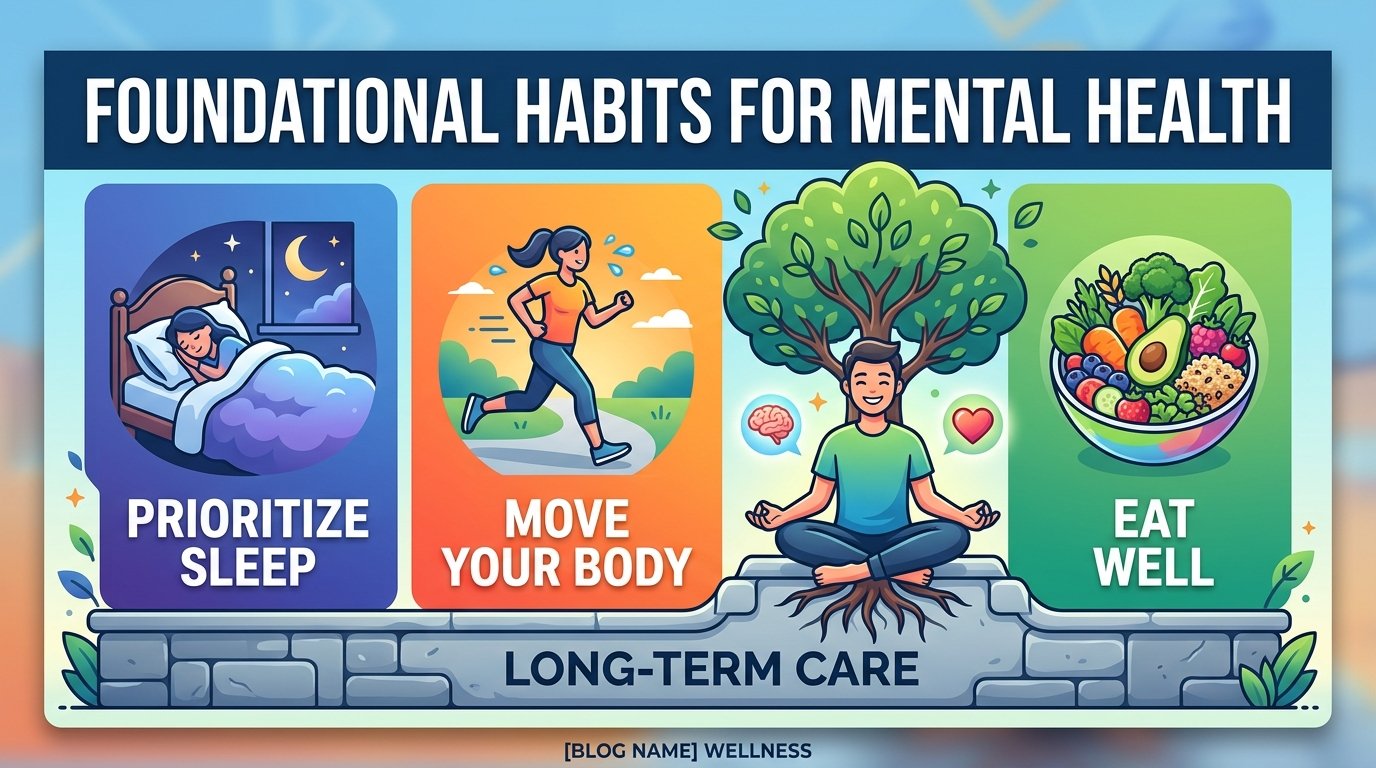
Sleep, Exercise, and Nutrition: The Foundational Habits That Make Mental Health Care Work Long-Term

The Three Habits Therapists Cannot Replace Talk therapy and psychiatric medication are powerful tools, but they operate on top of a biological foundation that most patients quietly neglect. Sleep, exercise, and nutrition are the three pillars of long-term mental health, and yet they receive almost no clinical attention in standard mental health care. Patients spend years … Read more

Empty Nest Syndrome: Identity Loss, Marriage Strain, and Building a Post-Parenting Life

Free stock photo via Pexels

Patricia, a 53-year-old librarian in Cleveland, walked her younger son to the dorm at Ohio State on a humid August Saturday, hugged him in the parking lot, and drove the two and a half hours home in a silence that felt physical. By Tuesday, she had cleaned both children’s bedrooms, washed their old sheets, and … Read more

Mediterranean Diet and Mental Health: The SMILES Trial, MIND Diet, and Real Mood Outcomes

Free stock photo via Pexels

Diane from Portland was eating frozen pizza four nights a week and drinking diet soda with breakfast when her psychiatrist asked, almost in passing, what she ate on a typical day. Forty minutes later they had walked through her grocery list, her takeout history, her snack drawer at work, and her coffee shop muffin habit. … Read more

Trauma-Informed Parenting: Breaking Generational Cycles When Your Childhood Was Hard

Free stock photo via Pexels

Marcus was forty-two, an emergency physician in Atlanta, holding his three-year-old daughter on the floor of her bedroom while she screamed because he had cut her toast wrong. He had been awake since four for a hospital shift. His chest was tight. He could feel the old, familiar voice rising, the one that sounded exactly … Read more

Omega-3 for Mental Health: EPA vs DHA, Therapeutic Doses, and Pharmaceutical-Grade Products

Free stock photo via Pexels

Tomas from Houston had been on three different antidepressants over two years, with each one producing partial response and intolerable side effects in some combination. His psychiatrist, before adding a fourth agent, took an unusual side road. She prescribed pharmaceutical-grade ethyl-EPA fish oil at two grams daily, alongside the existing medication, and asked him to … Read more

Pet Loss Grief: Recognising It as Real Bereavement and Finding Specialised Support

Free stock photo via Pexels

Rachel, a 38-year-old graphic designer in Portland, Oregon, came home from the emergency veterinary clinic on a Wednesday night without her cat. Mochi had been with her for fourteen years, longer than any romantic relationship, longer than any apartment, longer than any job. Rachel cried so hard in the parking lot that the vet tech … Read more

Exercise Prescription for Depression: The 150-Minute Threshold and Why Walking Fails Without Intensity

Free stock photo via Pexels

Marcus from Tucson had tried three antidepressants over four years. His new psychiatrist did something the others had not. She wrote a real exercise depression prescription on a pad with her DEA number at the top: “Moderate-vigorous exercise, 150 minutes weekly, four sessions, beginning week one.” She also referred him to a behavioral health exercise … Read more